The Floor Plan to Profit
Thinking about upgrading your floors before selling, maybe after seeing how polished oak shines inside the heritage homes near the Fairfax Historic District? Not sure which materials will actually raise your home’s value versus just look good?
In this post, you’ll learn which flooring types deliver the biggest return, which ones to skip, and how certain features can impact buyer perception.
By the end, you’ll know what floors to choose for your flooring installation that are worth the investment, impressing buyers and boosting your home’s resale value.
Flooring That Increases Home Value
The flooring that increases home value the most is solid hardwood. Engineered hardwood, tile, and luxury vinyl also perform well due to durability, low maintenance, and wide appeal. Avoid worn carpet or low-quality laminate, as they reduce resale value and turn off potential buyers.
- Solid hardwood delivers the highest ROI, with real estate experts estimating between 70% and 118% return.
- Engineered hardwood closely follows with an ROI of around 60% to 80%, offering similar aesthetics with added moisture resistance.
- Luxury vinyl plank (LVP) offers strong value at a lower price point and an ROI of 60% to 75%.
- Tile flooring also has high value, though the ROI is closer to between 50% and 70%.
Hardwood Flooring Benefits and ROI
Solid Hardwood
Solid hardwood floors are made entirely of real wood and are known for their long lifespan and visual appeal.
They’re often associated with luxury, and buyers recognize the value they add.
The return on investment can be impressive—real estate experts estimate you can recoup between 70% and 118% of the cost of installing new hardwood floors when it comes time to sell.
Solid hardwood is available in classic species like oak and maple, which blend well with many interior styles.
The natural beauty of wood grain, paired with rich stains reminiscent of the warm tones seen inside Historic Blenheim, makes it a timeless choice that elevates your home’s character.
Engineered Hardwood
Engineered hardwood flooring gives you the same appearance as solid hardwood but with added stability and an ROI of around 60% to 80%.
These floors are made with multiple layers of plywood beneath a top layer of real hardwood, which helps them resist warping and shrinking in areas with temperature or moisture fluctuations.
That makes them a great flooring option for finished basements or kitchens where solid wood might not hold up as well.
Engineered wood also tends to be a bit more cost-effective than solid hardwood, while still increasing your home’s resale value and giving buyers what they’re looking for.
High-Value Alternatives to Hardwood
Luxury Vinyl Plank
Luxury vinyl plank is one of the fastest-growing flooring materials in today’s housing market.
It mimics the look of hardwood or natural stone while offering impressive durability and water resistance. This contributes to its 60-75% ROI.
For homeowners on a tighter budget, vinyl planks are an ideal flooring choice because they combine style and performance. They’re easy to clean, handle foot traffic well, and don’t require refinishing like wood.
Many luxury vinyl planks also feature textured surfaces and beveled edges to look and feel more like real wood.
Choosing luxury vinyl flooring in key areas like kitchens, entryways, and bathrooms can help increase your home’s resale value without breaking the bank.
Tile Flooring
Tile flooring is another standout when it comes to increasing home value with an ROI of 50-70%, especially in areas that get wet or dirty often.
Ceramic and porcelain tiles are durable, low-maintenance, and available in a range of styles from sleek modern patterns to natural stone looks.
Tile is commonly used in bathrooms, kitchens, mudrooms, and laundry areas—places where buyers expect water-resistant and easy-to-clean surfaces.
Natural stone tile, like slate or travertine, adds a premium touch, though it typically costs more and may require sealing.
Trending Flooring Features That Add Appeal
Wide-Plank Floors
Wider planks create a cleaner, more upscale look that helps smaller rooms feel larger and more open.
This design trend has become a favorite among homebuyers because of its modern and spacious feel. The fewer seams make the floor look more continuous, which adds to the visual flow of the space.
Wide-plank hardwood floors are especially popular in open-concept homes where the floor takes center stage, much like the sweeping wooden promenades inside the Torpedo Factory Art Center.
Sustainable Flooring
Bamboo is technically a grass, but it performs like wood and is one of the most renewable flooring options available.
Cork has a softer, springier feel underfoot and is naturally resistant to mold, mildew, and pests.
While these materials may not offer the same universal appeal as oak or maple hardwood floors, they do provide a unique edge in markets where sustainability is a top priority.
Waterproof Flooring
Options range from vinyl plank flooring with sealed edges to engineered hardwood with waterproof cores. These floors are ideal for basements, kitchens, and bathrooms, where spills and moisture are more likely.
Unlike traditional hardwood floors, waterproof flooring materials won’t swell, stain, or warp, which can prevent costly repairs and give buyers more peace of mind.
Flooring Types That Can Lower Home Value
Wall-to-Wall Carpet
Carpet was once the go-to choice for many homes, but today it can turn buyers away.
It traps dust, allergens, and odors and shows wear quickly, especially in high-traffic areas.
Even if it’s new, some buyers see carpet as something they’ll need to replace right away. That perception can lower your home’s resale value.
Bedrooms are the one exception where some homeowners still appreciate the warmth and softness of carpet, but even there, hardwood flooring with area rugs is often preferred.
Low-End Laminate Flooring
Laminate flooring has come a long way, but lower-end versions can still look cheap and wear down fast.
Many laminate floors are made from melamine resin and fiberboard, with a thin image layer that imitates wood or stone. If that top layer gets scratched or damaged, it can’t be refinished.
Cheaper laminates may also have a hollow sound when walked on and be more prone to bubbling if moisture seeps in.
While some high-quality laminates offer a decent look, buyers often view them as temporary rather than permanent solutions.
Smart Flooring Choices by Room
Kitchen Flooring
Kitchen floors see daily wear, spills, and foot traffic, so durability and easy cleanup are key.
Engineered hardwood and luxury vinyl planks are both smart picks for this space. They offer the warmth of wood with better protection against moisture.
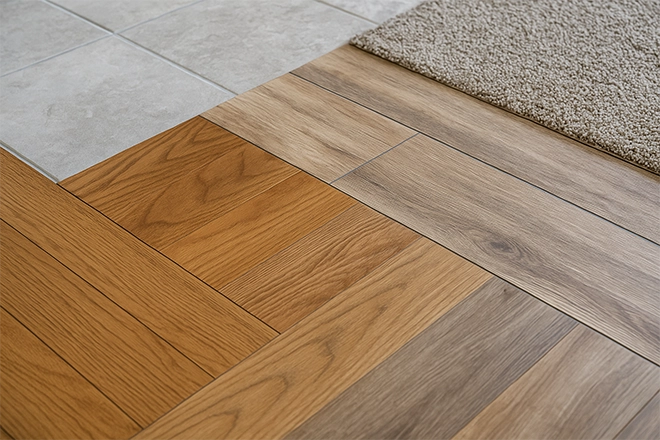
One big tip: keep the same flooring look across open-concept areas to avoid visual breaks. Using multiple flooring types in adjoining spaces can make a home feel smaller and less cohesive, which hurts overall value.
Mudroom Flooring
These spaces deal with wet shoes, muddy paws, and messy bags.
Waterproof flooring like tile or vinyl planks is perfect here, ready to handle the mud and rain boots that show up after kids’ soccer games at Nottoway Park. It keeps the mess from spreading and shows buyers you’ve planned for real-life living.
Even though the ROI of a mudroom floor can be hard to measure, it plays a role in how buyers feel about a home’s functionality, especially in climates with rain or snow.
Basement Flooring
Refinishing a basement adds usable square footage and can return up to 69% of its cost, depending on the project.
The flooring you choose plays a big role in that ROI.
Because basements are prone to moisture, vinyl plank flooring is usually the best choice. It handles humidity, looks great, and doesn’t require expensive maintenance.
Steer clear of hardwood flooring here, since wood can warp below grade. If you want the warmth of wood without the risks, engineered wood or waterproof vinyl are excellent alternatives.
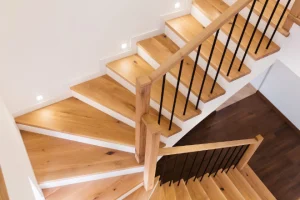
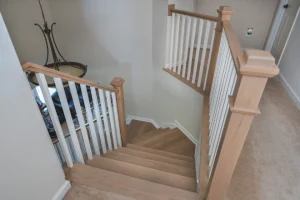
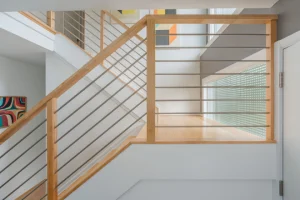
What flooring should be chosen for your stairs?
The Groundwork for Greater Value is Laid with Stair Creations
Stair Creations understands that the right flooring does more than look beautiful—it builds long-term value into your home. From hardwood floors that impress to luxury vinyl planks that perform, our expert team helps homeowners choose flooring options that increase home value and elevate daily living.
If you’re ready to transform your space and add measurable value to your home, fill out our contact form today or give us a call. The Stair Creations team is here to help you design floors that stand out now and sell better later.