Spindles, Style, and Staircase Decisions
Are you trying to decide between iron vs. wood balusters but unsure which material actually fits your home design?
Do you want something durable and low maintenance, or a classic look that feels authentic and timeless?
In this guide, you’ll learn the real differences between iron balusters and wood balusters, including style, durability, cost considerations, and installation differences.
By the end, you’ll understand how to choose balusters that match your personal style, budget, and the design of your living spaces.
Iron vs Wood Balusters — Key Differences at a Glance
When comparing iron vs. wood balusters, most homeowners focus on appearance, maintenance, and long-term value.
Both materials serve the same structural purpose in a staircase, but they create very different visual and practical results.
- Wood balusters are vertical posts carved from natural wood species such as white oak and are commonly paired with wooden handrails and newel posts.
- Iron balusters are metal spindles, often made from wrought iron, that create a modern look with clean lines.
- Wooden balusters can be stained or painted with many stain options to match other wood features in the house.
- Iron balusters are usually powder-coated finishes such as satin black, antique bronze, oil-rubbed bronze, silver vein, brushed nickel, or oil-rubbed copper.
- Wood offers greater customization because it can be shaped into many different styles.
- Iron balusters typically come in prefabricated patterns, sometimes with intricate designs like twists or baskets.
Both materials can meet building codes when installed correctly. The deciding factor often comes down to design aesthetic, maintenance expectations, and budget.
What Balusters Are and Why They Matter
Definition of Stair Balusters
Balusters are the vertical posts that support the handrail along a stairway and are often called staircase spindles.
They are sometimes called spindles and are installed between base blocks and the handrail to form a protective barrier.
These components are essential to staircase safety because they prevent people from falling through railings. Building codes regulate stair spindle spacing, block height, and the structural strength of balusters to ensure safety.
Each baluster must be the same size and spaced consistently so children cannot slip through the openings. When installed correctly, they create a solid railing system that protects anyone using the stairs.
The Role Balusters Play in Stair Design
Beyond safety, balusters shape a staircase’s overall style.
They influence how your stairway connects with surrounding living spaces and often become a visual centerpiece of the home.
A staircase with wooden balusters tends to feel warm and traditional, while wrought-iron balusters create a sleek, modern aesthetic.
Many homeowners renovating their stairs discover that learning how to replace balusters can dramatically change the look of the entire staircase.
Stair Creations offers stair remodeling services, including baluster replacement, stair railing installation, and custom staircase design, so you can transform your staircase’s appearance while maintaining safety and structural performance.
Contact us, and we’ll help you get started on designing your dream staircase, spindles and all.
Visual Style and Aesthetic Differences
The Traditional Look of Wood Balusters
Wood balusters are the preferred choice for many homeowners who want a traditional-style staircase.
Because they are made from natural materials, they pair naturally with wooden railings, wood stairs, and newel posts.
Popular wood species such as white oak allow homeowners to choose stain options that match floors or trim throughout the house.
Common design choices include painted white spindles for a bright classic look, stained wood balusters for a richer traditional appearance, or carved profiles that feel authentic in historic homes.
Wood balusters create a timeless elegance that complements traditional home styles and can be refinished later if the home design changes.
The Modern Appeal of Iron Balusters
Iron balusters create a more contemporary staircase design.
Wrought iron balusters are known for their durability and decorative appearance.
They come in many different styles, including straight bars or intricate designs with twists and baskets.
Many homeowners prefer darker finishes, such as satin black, oil-rubbed bronze, antique bronze, or silver vein. These finishes add contrast to lighter staircases and help create a modern look that stands out in open living spaces.
Because iron designs can be hollow but strong, they often appear sleek while still maintaining structural durability.
Matching Baluster Materials With Interior Design
Choosing between iron and wood balusters often depends on your house’s overall design.
Traditional homes usually pair better with wood balusters because they blend naturally with other wooden architectural features.
Modern homes tend to lean toward iron balusters because metal lines feel cleaner and more minimal.
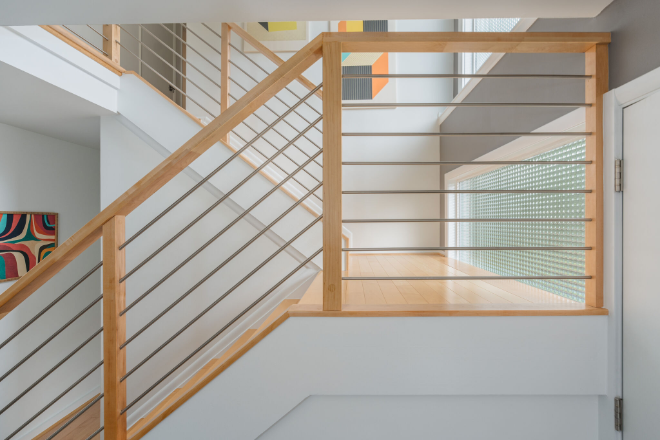
A growing trend is mixing materials, such as wood newel posts combined with wrought iron balusters. This approach keeps the warmth of wood while adding contrast and a modern touch.
Stair Creations offers a wide range of baluster options in various materials and finishes, so you can customize your staircase design to match your interior style and overall home aesthetic.
Customization and Design Flexibility
Customization Potential With Wood Balusters
Wood offers the greatest flexibility for staircase design.
Carpenters can create wooden balusters in many profiles, including turned shapes, square-block sections, and decorative carved styles.
Because wood can be painted or stained, it can match nearly any home design.
Wood also allows adjustments during installation. If the staircase has slight measurement differences, wood balusters can be trimmed to fit the space.
Design Limitations of Iron Balusters
Iron balusters are usually manufactured in prefabricated shapes.
While many different styles are available, customization is generally limited to selecting from existing patterns and finishes such as powder-coated satin black, brushed nickel, antique bronze, or oil-rubbed copper.
Once installed, iron balusters cannot easily be modified. If the homeowner later wants to change the staircase style, the balusters usually need to be replaced.
Mixed-Material Staircase Design Trends
Many modern staircases combine materials to achieve contrast and balance.
For example, a staircase might feature wood newel posts and wooden railings with iron balusters between them.
This combination keeps the warmth of wood while introducing sleek metal lines.
For many homeowners, this mixed-material design is the preferred choice because. It blends modern and traditional single staircase.
Durability and Maintenance Requirements
Durability Characteristics of Iron Balusters
Iron balusters are extremely durable and resistant to wear.
Most iron balusters use powder-coated finishes that help protect the metal from scratches and corrosion. Because of this, they generally require very little maintenance.
Occasional cleaning and touch-up paint, if necessary, are usually enough to maintain their appearance.
Durability Characteristics of Wood Balusters
Wood balusters are also durable but can be more sensitive to scratches or dents.
Environmental factors such as humidity and moisture may affect wooden components over time. However, wood has an advantage because it can often be refinished rather than replaced if damage occurs.
Long-Term Maintenance Considerations
Maintenance differences become more noticeable over time.
Wood balusters may require repainting, restaining, or refinishing to maintain their appearance. Iron balusters usually require only occasional cleaning and minor paint touch-ups.
For homeowners looking for a low-maintenance staircase, iron is often the preferred choice.
Installation Differences Between Iron and Wood Balusters
Installing Wrought Iron Balusters
Iron balusters are heavier and often require specialized tools during installation.
Because they cannot easily be trimmed or modified, measurements must be precise. Many homeowners rely on professional installation to ensure the balusters meet building codes and structural requirements.
Installing Wooden Balusters
Wood balusters are lighter and easier to work with.
They can be trimmed during installation to accommodate variations in stairway measurements, making them easier to install in older homes where stairs may not be perfectly uniform.
Cost Considerations and Budget Planning
Upfront Costs of Iron Balusters
Iron balusters often cost more upfront because metal materials and specialized installation increase material costs.
For this reason, iron balusters are sometimes considered an expensive upfront investment.
Upfront Costs of Wooden Balusters
Wood balusters can be more budget-friendly depending on the wood species and design complexity.
Basic wooden balusters often cost less than decorative iron designs, although custom wood profiles can increase the price.
Labor and Long-Term Costs
Installation costs vary depending on the material.
Iron balusters frequently require professional installation, which increases initial costs. Wood balusters may be easier to install, potentially reducing labor expenses.
Over time, iron balusters often have lower maintenance costs, while wood balusters may require refinishing or repainting.
Safety and Building Code Considerations
Safety Role of Stair Balusters
Balusters play a critical role in staircase safety. They prevent falls and support the handrail along the stairway.
Building codes regulate spacing, height, and strength to ensure railings are safe for everyday use.
Strength and Structural Safety
Iron balusters are extremely strong and resistant to breaking, making them a durable option for high-traffic staircases.
Wood balusters can also provide reliable safety when installed correctly, although periodic inspection may be necessary to ensure the components remain secure.
Both materials can meet building codes when installed properly.
Environmental Considerations
Environmental Impact of Iron Balusters
Iron is recyclable and can often be reused at the end of its lifecycle.
Because iron balusters are durable, they may last longer before needing replacement.
Sustainability of Wooden Balusters
Wood is a renewable resource when sourced from responsibly managed forests.
Wood production generally requires less energy than metal manufacturing, though wood components may require more maintenance over time.
Future Updates and Design Changes
Modifying Iron Balusters Later
Iron balusters are difficult to modify after installation. Changing the staircase style usually requires replacing the entire baluster.
Updating Wooden Balusters Over Time
Wood balusters offer greater flexibility because they can be repainted or restained if the homeowner wants to update the interior style.
If you expect to change your home design over time, wood may offer more flexibility. If you prefer a durable staircase with a sleek, modern appearance and low maintenance requirements, iron balusters may be the better long-term choice.
Rails, Spindles, and Style Decisions With Stair Creations
When you’re deciding between iron balusters and wood balusters, the right choice often comes down to how you want your staircase to look, feel, and function within your home design.
Stair Creations works with homeowners to design and install custom stair railings, baluster replacements, and staircase upgrades that align with your preferred materials, finishes, and overall style. Pricing For Stair Creations
Whether you want a classic wood staircase or a sleek wrought-iron railing system, the right design can transform the look of your stairway and surrounding living spaces. Fill out our contact form today or give us a call.